
READER’S EDITORIAL: SILENCE IS A VIRTUE
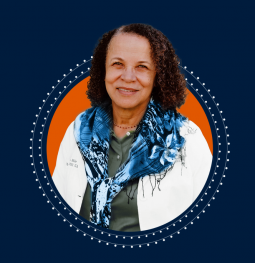
By Brenda Miller, PhD., R.N. February 6, 2025 (La Mesa) — When Benjamin Franklin included silence in his list of virtues, he termed it “golden.” Silence does not mean remaining quiet with respect to important issues but involves speaking after listening and thinking before speaking. That apparently is not the philosophy of Nadia Farjood, recently elected member of the Grossmont Healthcare District Board of Directors. Prior to the January 7, 2025, board meeting, there was a barrage of rhetoric misleading the public on social media and in emails, petitions, and local organizations suggesting that the board did not want Nadia Farjood as a member. The rhetoric claimed the board was insensitive to needs of the public, purposely excluding community participation by holding meetings during the day; was racist, particularly with respect to membership by women of color; discriminated against young people, and so on. These unfounded accusations persist. The criticisms of the board arose primarily out of Ms. Farjood’s failure to get the board to change meeting times to evenings to accommodate her personal schedule. According to change and group dynamics theories, someone entering a new environment should assess the environment before trying to make changes. This has not been Ms. Farjood’s approach. She rarely attended board meetings before and during the election campaign and missed a prime opportunity to understand the workings of the board and prepare for her role as a member. Because she was not present, she did not realize that, to reach out to the community, the board changed meeting times on a bimonthly basis from 9:00 a.m. to 5:00 p.m. After an extended time without any increase in public attendance, the board returned to the prior 9:00 a.m. time slot. Now, Ms. Farjood is engaging in divisive rhetoric that promotes conflict, which she could have avoided with an effective assessment of the environment prior to trying to enforce changes. Perhaps she should reflect more deeply on the concept of silence as a virtue until she understands the issue about which she wishes to speak and the position she fought hard to successfully win. Brenda Miller is a registered nurse with PhD and Masters degrees in nursing. She ran against Nadia Farjood in the November 2024 election for the Grossmont Healthcare District board seat. The opinions in this editorial reflect the views of the author and do not necessarily reflect the views of East County Magazine. To submit an editorial for consideration, contact editor@eastcountymagazine.org. Printer-friendly version
HEAR OUR INTERVIEW: BRENDA MILLER, NURSE AND NURSING INSTRUCTOR RUNNING FOR GROSSMONT HEALTHCARE DISTRICT
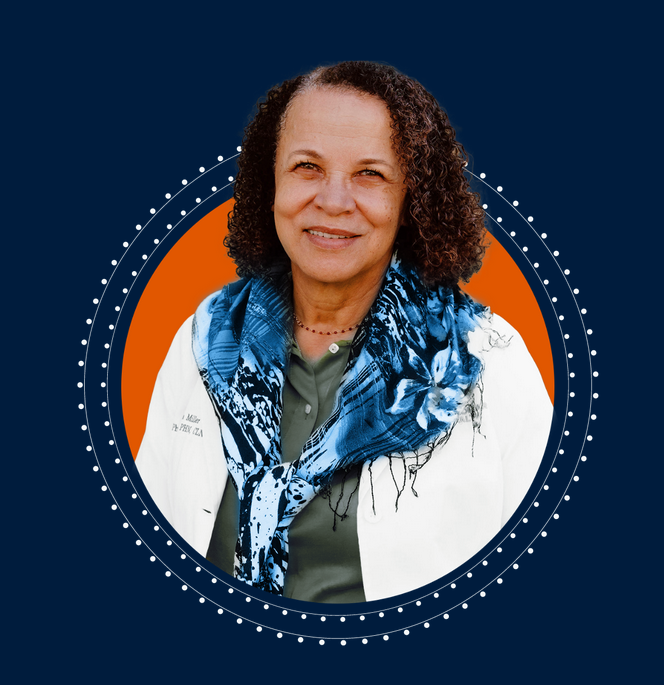
Update: Nadia Farjood has denied filing an FPPC complaint against Miller. It is unclear who filed the complaint, but the FPPC found no wrongdoing by Miller. June 29, 2024 (La Mesa) – Brenda Miller is a candidate for the Grossmont Healthcare District board of directors in district 3. She’s a nurse with masters and PhD degrees in nursing plus over 40 years of healthcare experience, ranging from hospitals to hospice care. Currently she’s a hospital administrative supervisor at Palomar Healthcare and a nursing program instructor at Cal State San Marcos. Now, she wants to bring her expertise as a nurse and teacher to improve healthcare for patients and conditions for healthcare workers in the Grossmont Healthcare District, which oversees Grossmont Hospital. She says, “Nurse leaders to sit at the table where healthcare decisions are made.” ECM interviewed nurse Miller on our radio show aired on KNSJ. Scroll down for highlights, or click the audio link to hear the complete interview. Her interest in nursing began at a young age, when she served as a candy striper. Later she was accepted into associate degree nursing. “I experience racism,” she recalls. I was told that an RN should be only a white or Caucasian lady, and that LVNs should be people of color.” She recalls an instructor who tried to force her out of the program when “I refused to step aside and join an LVN program.” She filed a complaint and stayed in the associate degree program, later getting a bachelor’s at UCLA, master’s and PHD in nursing. “Being a nurse for over 40 years, I teach leadership and management and professional issues at Cal State San Marcos.” She says she encourages young nurses to move into leadership, then decided, “I should lead by example,” and decided to run for office. “The most important thing we’re advocating for is that nurses should shape the policies that shape our lives, but also our patients’ and families’ lives as well. She points out that according to the. National Council of State Boards of Nursing, 100,000 nurses left the workforce during the pandemic, By 2027, almost 900,000, or almost one-fifth of 4.5 million total registered nurses, intend to leave the workforce, threatening the national health care system if solutions are not enacted. The U.S. Bureau of Labor Statistics projects that more than 200,000 new registered nurse (RN) positions need to be created each year through 2031. Asked why so many nurses are leaving, and what ideas she has to address the nursing shortage, Miller responds, “COVID really was the pivotal point of nurses leaving the profession,” she says.The profession is also losing nurses through aging, as baby boomers grow older. To Err Is Human, an Institute of Medicine report, calls for creating a healthier working environment in the healthcare system to reduce errors, but this suffered a setback with COVID. By 2020 when COVID hit, nurses and healthcare professionals did not have the equipment needed to protect themselves. “A lot of healthcare workers lost their lives,” she says, recalling articles about nurses forced to use trash bags to protect themselves. Some left the healthcare profession, while others moved to different fields within healthcare. The pandemic was also stressful for nurses having to choose who would live or die, without time to mourn losses. She recalls caring for an 18-year-old who wound up on a ventilator and dying. How can we get more nurses trained? “One thing that I’m pushing for,and there are certainly laws being enacted, is staffing ratios,” she says. ICU nurses can have a maximum of two patients, for instance,while some other areas of nursing may allow several patients per nurse. “When you have 12 or 15 patients, that is an unsafe environment. That leads to burnout, nurse fatigue, and the patient outcomes are effective.” She wants to see national standards for nurse-patient ratios. “How can we treat patients in their home before a crisis occurs?” she asks. She also calls for changes to reduce waiting times in ambulance bays, which keeps ambulances waiting at some hospitals unable to offload patients if a hospital emergency room is full. “How can we go upstream and address this?” she asks, noting that an Institute of Medicine report says nurses should be able to function to their fullest extent—independently by 2025 on one tier. How would she improve equity in healthcare access for under-served communities, such as East County’s rural areas, and those who are uninsured? “So we put them in a rural community and have satellites, or in under-served communities where you can have mobile vans and they can make rounds.” People can get treatment for early symptoms, before they have a stroke or heart attack “to hopefully reduce that crisis,” Miller says. Telemedicine is helpful, she notes, “but you need to be able to lay eyes on that person..What better way if you have a hub in a rural or under-served community, they have telemonitoring, but they also can mobilize a nurse, timely to see that patient.” During COVID, nurses faced tensions over vaccine mandates in healthcare settings. “I support vaccines 100%, she says. “It will remain a personal choice, no matter how much we want to educate the public…we encourage the public to wear a mask, and some of us still wear masks, because you walk into a hospital and you don’t know who may be sick.” She has been attending the Grossmont Healthcare District’s bimonthly meetings. “I feel that there is a transparency that exists with the board,and I certainly would advocate that we remain transparent… so that the community should be well informed. Miller is one of three candidates in this race: Incumbent Michael Emerson, an optometrist, and Nadia Farjood, an attorney. ECM is reaching out to all to request interviews. Asked the key points of difference between her and her opponents, Miller says Emerson, an optometrist, brings a wealth of knowledge, but can’t speak from the standpoint of healthcare professionals working in a hospital setting. Farjood is “young” with
HEAR OUR INTERVIEW: BRENDA MILLER, NURSE AND NURSING INSTRUCTOR RUNNING FOR GROSSMONT HEALTHCARE DISTRICT
Update: Nadia Farjood has denied filing an FPPC complaint against Miller. It is unclear who filed the complaint, but the FPPC found no wrongdoing by Miller. June 29, 2024 (La Mesa) – Brenda Miller is a candidate for the Grossmont Healthcare District board of directors in district 3. She’s a nurse with masters and PhD degrees in nursing plus over 40 years of healthcare experience, ranging from hospitals to hospice care. Currently she’s a hospital administrative supervisor at Palomar Healthcare and a nursing program instructor at Cal State San Marcos. Now, she wants to bring her expertise as a nurse and teacher to improve healthcare for patients and conditions for healthcare workers in the Grossmont Healthcare District, which oversees Grossmont Hospital. She says, “Nurse leaders to sit at the table where healthcare decisions are made.” ECM interviewed nurse Miller on our radio show aired on KNSJ. Scroll down for highlights, or click the audio link to hear the complete interview. Her interest in nursing began at a young age, when she served as a candy striper. Later she was accepted into associate degree nursing. “I experience racism,” she recalls. I was told that an RN should be only a white or Caucasian lady, and that LVNs should be people of color.” She recalls an instructor who tried to force her out of the program when “I refused to step aside and join an LVN program.” She filed a complaint and stayed in the associate degree program, later getting a bachelor’s at UCLA, master’s and PHD in nursing. “Being a nurse for over 40 years, I teach leadership and management and professional issues at Cal State San Marcos.” She says she encourages young nurses to move into leadership, then decided, “I should lead by example,” and decided to run for office. “The most important thing we’re advocating for is that nurses should shape the policies that shape our lives, but also our patients’ and families’ lives as well. She points out that according to the. National Council of State Boards of Nursing, 100,000 nurses left the workforce during the pandemic, By 2027, almost 900,000, or almost one-fifth of 4.5 million total registered nurses, intend to leave the workforce, threatening the national health care system if solutions are not enacted. The U.S. Bureau of Labor Statistics projects that more than 200,000 new registered nurse (RN) positions need to be created each year through 2031. Asked why so many nurses are leaving, and what ideas she has to address the nursing shortage, Miller responds, “COVID really was the pivotal point of nurses leaving the profession,” she says.The profession is also losing nurses through aging, as baby boomers grow older. To Err Is Human, an Institute of Medicine report, calls for creating a healthier working environment in the healthcare system to reduce errors, but this suffered a setback with COVID. By 2020 when COVID hit, nurses and healthcare professionals did not have the equipment needed to protect themselves. “A lot of healthcare workers lost their lives,” she says, recalling articles about nurses forced to use trash bags to protect themselves. Some left the healthcare profession, while others moved to different fields within healthcare. The pandemic was also stressful for nurses having to choose who would live or die, without time to mourn losses. She recalls caring for an 18-year-old who wound up on a ventilator and dying. How can we get more nurses trained? “One thing that I’m pushing for,and there are certainly laws being enacted, is staffing ratios,” she says. ICU nurses can have a maximum of two patients, for instance,while some other areas of nursing may allow several patients per nurse. “When you have 12 or 15 patients, that is an unsafe environment. That leads to burnout, nurse fatigue, and the patient outcomes are effective.” She wants to see national standards for nurse-patient ratios. “How can we treat patients in their home before a crisis occurs?” she asks. She also calls for changes to reduce waiting times in ambulance bays, which keeps ambulances waiting at some hospitals unable to offload patients if a hospital emergency room is full. “How can we go upstream and address this?” she asks, noting that an Institute of Medicine report says nurses should be able to function to their fullest extent—independently by 2025 on one tier. How would she improve equity in healthcare access for under-served communities, such as East County’s rural areas, and those who are uninsured? “So we put them in a rural community and have satellites, or in under-served communities where you can have mobile vans and they can make rounds.” People can get treatment for early symptoms, before they have a stroke or heart attack “to hopefully reduce that crisis,” Miller says. Telemedicine is helpful, she notes, “but you need to be able to lay eyes on that person..What better way if you have a hub in a rural or under-served community, they have telemonitoring, but they also can mobilize a nurse, timely to see that patient.” During COVID, nurses faced tensions over vaccine mandates in healthcare settings. “I support vaccines 100%, she says. “It will remain a personal choice, no matter how much we want to educate the public…we encourage the public to wear a mask, and some of us still wear masks, because you walk into a hospital and you don’t know who may be sick.” She has been attending the Grossmont Healthcare District’s bimonthly meetings. “I feel that there is a transparency that exists with the board,and I certainly would advocate that we remain transparent… so that the community should be well informed. Miller is one of three candidates in this race: Incumbent Michael Emerson, an optometrist, and Nadia Farjood, an attorney. ECM is reaching out to all to request interviews. Asked the key points of difference between her and her opponents, Miller says Emerson, an optometrist, brings a wealth of knowledge, but can’t speak from the standpoint of healthcare professionals working in a hospital setting. Farjood is “young” with
HEAR OUR INTERVIEW: BRENDA MILLER, NURSE AND NURSING INSTRUCTOR RUNNING FOR GROSSMONT HEALTHCARE DISTRICT
Update: Nadia Farjood has denied filing an FPPC complaint against Miller. It is unclear who filed the complaint, but the FPPC found no wrongdoing by Miller. June 29, 2024 (La Mesa) – Brenda Miller is a candidate for the Grossmont Healthcare District board of directors in district 3. She’s a nurse with masters and PhD degrees in nursing plus over 40 years of healthcare experience, ranging from hospitals to hospice care. Currently she’s a hospital administrative supervisor at Palomar Healthcare and a nursing program instructor at Cal State San Marcos. Now, she wants to bring her expertise as a nurse and teacher to improve healthcare for patients and conditions for healthcare workers in the Grossmont Healthcare District, which oversees Grossmont Hospital. She says, “Nurse leaders to sit at the table where healthcare decisions are made.” ECM interviewed nurse Miller on our radio show aired on KNSJ. Scroll down for highlights, or click the audio link to hear the complete interview. Her interest in nursing began at a young age, when she served as a candy striper. Later she was accepted into associate degree nursing. “I experience racism,” she recalls. I was told that an RN should be only a white or Caucasian lady, and that LVNs should be people of color.” She recalls an instructor who tried to force her out of the program when “I refused to step aside and join an LVN program.” She filed a complaint and stayed in the associate degree program, later getting a bachelor’s at UCLA, master’s and PHD in nursing. “Being a nurse for over 40 years, I teach leadership and management and professional issues at Cal State San Marcos.” She says she encourages young nurses to move into leadership, then decided, “I should lead by example,” and decided to run for office. “The most important thing we’re advocating for is that nurses should shape the policies that shape our lives, but also our patients’ and families’ lives as well. She points out that according to the. National Council of State Boards of Nursing, 100,000 nurses left the workforce during the pandemic, By 2027, almost 900,000, or almost one-fifth of 4.5 million total registered nurses, intend to leave the workforce, threatening the national health care system if solutions are not enacted. The U.S. Bureau of Labor Statistics projects that more than 200,000 new registered nurse (RN) positions need to be created each year through 2031. Asked why so many nurses are leaving, and what ideas she has to address the nursing shortage, Miller responds, “COVID really was the pivotal point of nurses leaving the profession,” she says.The profession is also losing nurses through aging, as baby boomers grow older. To Err Is Human, an Institute of Medicine report, calls for creating a healthier working environment in the healthcare system to reduce errors, but this suffered a setback with COVID. By 2020 when COVID hit, nurses and healthcare professionals did not have the equipment needed to protect themselves. “A lot of healthcare workers lost their lives,” she says, recalling articles about nurses forced to use trash bags to protect themselves. Some left the healthcare profession, while others moved to different fields within healthcare. The pandemic was also stressful for nurses having to choose who would live or die, without time to mourn losses. She recalls caring for an 18-year-old who wound up on a ventilator and dying. How can we get more nurses trained? “One thing that I’m pushing for,and there are certainly laws being enacted, is staffing ratios,” she says. ICU nurses can have a maximum of two patients, for instance,while some other areas of nursing may allow several patients per nurse. “When you have 12 or 15 patients, that is an unsafe environment. That leads to burnout, nurse fatigue, and the patient outcomes are effective.” She wants to see national standards for nurse-patient ratios. “How can we treat patients in their home before a crisis occurs?” she asks. She also calls for changes to reduce waiting times in ambulance bays, which keeps ambulances waiting at some hospitals unable to offload patients if a hospital emergency room is full. “How can we go upstream and address this?” she asks, noting that an Institute of Medicine report says nurses should be able to function to their fullest extent—independently by 2025 on one tier. How would she improve equity in healthcare access for under-served communities, such as East County’s rural areas, and those who are uninsured? “So we put them in a rural community and have satellites, or in under-served communities where you can have mobile vans and they can make rounds.” People can get treatment for early symptoms, before they have a stroke or heart attack “to hopefully reduce that crisis,” Miller says. Telemedicine is helpful, she notes, “but you need to be able to lay eyes on that person..What better way if you have a hub in a rural or under-served community, they have telemonitoring, but they also can mobilize a nurse, timely to see that patient.” During COVID, nurses faced tensions over vaccine mandates in healthcare settings. “I support vaccines 100%, she says. “It will remain a personal choice, no matter how much we want to educate the public…we encourage the public to wear a mask, and some of us still wear masks, because you walk into a hospital and you don’t know who may be sick.” She has been attending the Grossmont Healthcare District’s bimonthly meetings. “I feel that there is a transparency that exists with the board,and I certainly would advocate that we remain transparent… so that the community should be well informed. Miller is one of three candidates in this race: Incumbent Michael Emerson, an optometrist, and Nadia Farjood, an attorney. ECM is reaching out to all to request interviews. Asked the key points of difference between her and her opponents, Miller says Emerson, an optometrist, brings a wealth of knowledge, but can’t speak from the standpoint of healthcare professionals working in a hospital setting. Farjood is “young” with