
What You Should Know About West Nile Virus Spread: County to Hold Program Saturday in La Mesa 1.1K

Total Views: 75 Pesticide spraying set for July 14 and 15 in more La Mesa neighborhoods By Miriam Raftery July 11, 2025 (La Mesa) – Concern over West Nile virus in the La Mesa and Rolando areas has ramped up, after County Vector control tested nearly 2,000 mosquitos in 165 batches in these areas. West Nile virus found in 37 batches of mosquitos tested in Roland and La Mesa “In this area, 37 batches have tested positive for West Nilie virus, Gig Conaughton, communication specialist for San Diego County, told East County Magazine. The positive tests were in La Mesa and the San Diego portion of Rolando. Mosquitos were also tested in Lemon Grove, with no West Nile virus detected there. Spraying dates and locations Pesticide spraying will be done Monday and Tuesday, July 14 and 15, between 1 a.m. and 6 a.m.in the La Mesa areas shown on the map at left and at the County’s Adult Mosquito Control site. The Rolando area was previously sprayed, but after more positive test results, spraying has been extended for Monday and Tuesday to cover additional parts of La Mesa including Eastlake, areas along El Cajon Boulevard and as far north as Parkway Drive. La Mesa information session Saturday morning, July 12 Vector Control staff will answer questions at an information session this Saturday, July 12 at the La Mesa Library, 8074 Allison Avenue, from 10 a.m. to 12 p.m. A statement from La Mesa says, The City of La Mesa appreciates the County’s efforts in helping protect the health and safety of our residents.” Flower-based pesticide to be used; precautions to take The pesticide. AquaDuet, is based on a natural substance found in Chrysanthemum flowers, Conaughton says. “AquaDuet has been approved by the Environmental Protection Agency, and is found to pose low risks to people and pets. People who are concerned about the treatment can stay indoors and close windows during the treatment period…The pesticide will dissipate after about 30 minutes and people can resume normal activities. Beekeepers and those with insects kept outdoors are encouraged to shelter hives and habitats during treatments. West Nile virus facts There have been no reported human cases in San Diego County this year. In 2024, the County reported 2 cases. However, West Nile virus remains a potentially deadly threat. Symptoms may include fever. headaches, body aches, joint pains, vomiting, diarrhea or rash. in rare cases, West Nile virus can be fatal. A resident of Mt. Helix died of West Nile virus several years ago. If you have symptoms, seek medical care. The virus is transmitted by Aedes Aegypti mosquitos, an invasive species that is smaller than native species. It bites during the day and can breed in as little as a thimbleful of water, even indoors. In the tropics, these mosquitos also carry Zika Virus and Yellow Fever, though those diseases have not been found in mosquitos in San Diego County. Steps to stay safe County officials said people should continue to follow the County’s “Prevent, Protect, Report” guidelines to protect themselves from mosquitos. Those include finding and dumping out standing water around homes to keep mosquitos from breeding. Prevent mosquito breeding Dump out or remove any item inside or outside of homes that can hold water — whether from rain or landscape irrigation. Those things can include plant saucers, rain barrels, buckets, garbage cans, toys, old tires and wheelbarrows. Mosquitofish, available for free by contacting the Vector Control Program, may be used to control mosquito breeding in backyard water sources such as stagnant swimming pools, ponds, fountains and horse troughs. Protect yourself from mosquito bites Protect yourself from mosquito-borne illnesses by wearing long sleeves and pants or use insect repellent when outdoors. Use insect repellent that contains DEET, picaridin, oil of lemon eucalyptus, para-menthane-diol, 2-undecanone or IR3535. Make sure screens on windows and doors are in good condition and secured to keep insects out. Report possible mosquito activity and dead birds Report increased mosquito activity, unmaintained green swimming pools, and other mosquito-breeding sources, as well as dead birds — including crows, ravens, jays, hawks and owls — to the County Vector Control Program by calling (858) 694-2888 or emailing vector@sdcounty.ca.gov(link sends e-mail) More information For more information, visit the County’s Adult Mosquito Control webpage or Fight the Bite page . You can also call 858-694-2888 or email vector@sdcounty.ca.gov with questions. Here is a link to the AquaDuet manufacturer’s Frequently Asked Questions. You can find the Vector Control’s most recent data on testing in tables on the County’s West Nile virus activity webpage. Staff will be answering questions over the weekend. Printer-friendly version
1.1K viewsCounty Extending Mosquito Spraying in La Mesa Early Mon. and Tues. 961

Total Views: 52 East County News Services July 11, 2025 (San Diego County) — San Diego County officials plan to expand and extend ultra-low volume, truck-mounted, pesticide-mist treatments between 1 a.m. and 6 a.m. Monday and Tuesday mornings in parts of La Mesa to reduce mosquito populations and protect the public from the potential spread of West Nile virus. County Vector Control announced this week that crews would conduct truck treatments through roughly 4,000 parcels in the community of Rolando, including parts of La Mesa and San Diego, between 1 a.m. and 6 a.m. Wednesday, Thursday and Friday. Those treatments were done successfully Wednesday and Thursday and will continue Friday. This weekend, Vector Control staff will be responding to emails at vector@sdcounty.ca.govand phone calls at (858) 694-2888 for questions from the community. La Mesa city staff will also be available to answer questions at an information session from 10 a.m. until noon this Saturday, July 12 at the La Mesa Library, 8074 Allison Ave. Treatments are now scheduled to be expanded into another 3,000 to 4,000 parcels in La Mesa after Vector Control detected more mosquitoes carrying West Nile virus. The new treatments will be done between 1 a.m. and 6 a.m. Monday, July 14 and Tuesday, July 15. County Vector Control truck treatments will continue to use AquaDuet, a pesticide approved by the Environmental Protection Agency that poses low risks to people and pets. The County reported June 27 that it had detected West Nile virus in mosquitoes collected in the Rolando area, and more in mosquitoes in follow-up surveillance, necessitating the pesticide spray treatments. More information, including a map of the treatment area, frequently asked questions, and contact information for Vector Control, can be found on Vector Control’s Adult Mosquito Control Information webpage. While the treatments pose a low risk to people and pets and the pesticide dissipates in roughly 20 to 30 minutes, residents may wish — as a precaution — to stay inside, keep pets and pet bowls inside, and close windows during the treatment. Normal activities can be resumed 30 minutes after the treatment. Beekeepers and those with insects kept outdoors are encouraged to shelter hives and habitats during treatments. Beekeepers registered with the County’s Department of Agriculture, Weights and Measures can request to receive advance notice when pesticide spraying that may affect bees is applied to blossoming plants in their areas. There have been no reported human cases in San Diego County this year. In 2024, the County reported 2 cases. However, West Nile virus remains a potentially deadly threat. Some people who become infected can suffer fever with other symptoms, headaches, body aches, joint pains, vomiting, diarrhea or rash. in rare cases, West Nile virus can make people extremely ill and even kill them. If you have symptoms, seek medical care. County officials said people should continue to follow the County’s “Prevent, Protect, Report” guidelines to protect themselves from mosquitoes. Those include finding and dumping out standing water around homes to keep mosquitoes from breeding. Prevent mosquito breeding Dump out or remove any item inside or outside of homes that can hold water — whether from rain or landscape irrigation. Those things can include plant saucers, rain barrels, buckets, garbage cans, toys, old tires and wheelbarrows. Mosquitofish, available for free by contacting the Vector Control Program, may be used to control mosquito breeding in backyard water sources such as stagnant swimming pools, ponds, fountains and horse troughs. Protect yourself from mosquito bites Protect yourself from mosquito-borne illnesses by wearing long sleeves and pants or use insect repellent when outdoors. Use insect repellent that contains DEET, picaridin, oil of lemon eucalyptus, para-menthane-diol, 2-undecanone or IR3535. Make sure screens on windows and doors are in good condition and secured to keep insects out. Report possible mosquito activity and dead birds Report increased mosquito activity, unmaintained green swimming pools, and other mosquito-breeding sources, as well as dead birds — including crows, ravens, jays, hawks and owls — to the County Vector Control Program by calling (858) 694-2888 or emailing vector@sdcounty.ca.gov Go to San Diego County’s “Fight the Bite” website to learn how to prevent and protect against West Nile virus and mosquitoes. For more information about West Nile virus, go to the County Health and Human Services Agency’s West Nile virus webpage. Printer-friendly version
961 viewsCounty to Spray for Mosquitoes in Rolando Areas of La Mesa and San Diego to Reduce Risk of West Nile Virus 1.5K
Total Views: 32 Source: County of San Diego July 7, 2025 (La Mesa) — To protect the public and keep mosquitoes from potentially spreading West Nile virus, which was recently detected in Rolando, the County is scheduled to conduct ultra-low volume, truck-mounted, pesticide-mist treatments this week. The spraying aims to reduce the number of adult mosquitoes on about 4,000 parcels in the community of Rolando, which includes parts in San Diego and La Mesa. The treatments are scheduled to take place from 1 a.m. to 6 a.m. from Wednesday, July 9 through Friday, July 11, depending on conditions. While the treatments pose a low risk to people and pets and the pesticide dissipates in roughly 20 to 30 minutes, residents may wish—as a precaution—to stay inside, keep pets and pet bowls inside, and close windows during the treatment. More information, including a map of the treatment area, frequently asked questions, and contact information for Vector Control, can be found on Vector Control’s Adult Mosquito Control Information webpage. County Vector Control truck treatments will use AquaDuet—a pesticide approved by the Environmental Protection Agency that poses low risks to people and pets, according to the County. As recently reported, the County detected West Nile virus in mosquitoes collected in that area on June 24. Follow-up surveillance and testing revealed additional West Nile virus-positive mosquitoes nearby, which necessitates the spraying for adult mosquitoes to reduce the risk of the disease being spread to people. Normal activities can be resumed 30 minutes after the treatment. Also, beekeepers and those with insects kept outdoors are encouraged to shelter hives and habitats during treatments. Beekeepers registered with the County’s Department of Agriculture, Weights and Measures can request to receive advance notice when pesticide spraying that may affect bees is applied to blossoming plants in their areas. So far, there have been no reported human cases in San Diego County this year. In 2024, the County reported 2 cases. However, West Nile virus remains a potentially deadly threat. Some people who become infected can suffer fever with other symptoms, headaches, body aches, joint pains, vomiting, diarrhea, or rash. But in rare cases, West Nile virus can make people extremely ill and even kill them. If you have symptoms, seek medical care. County officials said people should continue to follow the County’s “Prevent, Protect, Report” guidelines to protect themselves from mosquitoes. Those include finding and dumping out standing water around homes to keep mosquitoes from breeding. Prevent mosquito breeding Dump out or remove any item inside or outside of homes that can hold water—whether from rain or landscape irrigation. Those things can include plant saucers, rain barrels, buckets, garbage cans, toys, old tires and wheelbarrows. Mosquitofish, available for free by contacting the Vector Control Program, may be used to control mosquito breeding in backyard water sources such as stagnant swimming pools, ponds, fountains and horse troughs. Protect yourself from mosquito bites Protect yourself from mosquito-borne illnesses by wearing long sleeves and pants or use insect repellent when outdoors. Use insect repellent that contains DEET, picaridin, oil of lemon eucalyptus, para-menthane-diol, 2-undecanone or IR3535. Make sure screens on windows and doors are in good condition and secured to keep insects out. Report possible mosquito activity and dead birds Report increased mosquito activity, unmaintained green swimming pools, and other mosquito-breeding sources, as well as dead birds—crows, ravens, jays, hawks and owls—to the County Vector Control Program by calling (858) 694-2888 or emailing vector@sdcounty.ca.gov. Go to San Diego County’s “Fight the Bite” website to learn how to prevent and protect against West Nile virus and mosquitoes. For more information about West Nile virus, go to the County Health and Human Services Agency’s West Nile virus webpage. Printer-friendly version
1.5K viewsDEAD CROWS IN LEMON GROVE TEST POSITIVE FOR WEST NILE VIRUS 963

Total Views: 44 By Gig Conaughton, County of San Diego Communications Office Crow image cc via Bing May 16, 2025 (Lemon Grove) — Two dead crows recently collected in routine monitoring from Lemon Grove tested positive for West Nile virus, prompting County environmental health officials to remind people to protect themselves from mosquitoes that can transmit the virus to people. The positive tests mark the first detections of West Nile virus in the county this year. There have been no reported human cases in San Diego County this year. However, West Nile virus remains a potentially deadly threat. County officials said people should continue to follow the County’s “Prevent, Protect, Report” guidelines to protect themselves from mosquitoes. Those include finding and dumping out standing water around homes to keep mosquitoes from breeding. West Nile virus is mainly a bird disease, but it can be transmitted to humans by several types of mosquitoes if they feed on an infected bird and then bite people. Some people who become infected can suffer symptoms including headache, fever, nausea, fatigue, skin rash, or swollen glands. But in rare cases, West Nile virus can make people extremely ill and even kill them. Protecting against mosquitoes is always important in San Diego County. County officials said people can help protect themselves from mosquito-borne illnesses by following the County’s “Prevent, Protect, Report” guidelines. Prevent mosquito breeding Dump out or remove any item inside or outside of homes that can hold water—whether from rain or landscape irrigation. Those things can include plant saucers, rain barrels, buckets, garbage cans, toys, old tires and wheelbarrows. Mosquito fish, available for free by contacting the Vector Control Program, may be used to control mosquito breeding in backyard water sources such as stagnant swimming pools, ponds, fountains and horse troughs. Protect yourself from mosquito bites Protect yourself from mosquito-borne illnesses by wearing long sleeves and pants or use insect repellent when outdoors. Use insect repellent that contains DEET, picaridin, oil of lemon eucalyptus, para-menthane-diol, 2-undecanone or IR3535. Make sure screens on windows and doors are in good condition and secured to keep insects out. Report possible mosquito activity and dead birds Report increased mosquito activity, unmaintained green swimming pools, and other mosquito-breeding sources, as well as dead birds—crows, ravens, jays, hawks and owls—to the County Vector Control Program by calling (858) 694-2888 or emailing vector@sdcounty.ca.gov. Go to San Diego County’s “Fight the Bite” website to learn how to prevent and protect against West Nile virus and mosquitoes. Printer-friendly version
963 viewsPROACTIVE EFFORTS HELP AS MOSQUITO SEASON KICKS OFF 5

Total Views: 37 By Shauni Lyles, County of San Diego Communications Office June 2, 2024 (San Diego) — In April, San Diego County began ramping up its proactive treatment of mosquito breeding sites in waterways around the county. The goal is to reduce these pests and their risk for spreading diseases, such as West Nile virus. Every year in spring, the County’s Vector Control Program applies a safe, eco-friendly larvicide by helicopter to treat nearly 1,400 acres of hard-to-reach areas where mosquitoes breed. This year, locations in the Tijuana River Valley with stagnant water are also being treated to protect people living or visiting in that area. The larvicide does not hurt people or pets, but kills mosquito larvae before they can grow into adult biting mosquitoes. Larvicide drops, during the mosquito season (usually April-October), are just one part of Vector Control’s Integrated Vector Management Strategy. County Vector Control monitors over 1,600 potential mosquito-breeding areas each year and applies larvicide through a variety of techniques—aerial drops, boats, trucks, and hand-crews. It also gives out free mosquito-eating fish to the public, tracks down and treats neglected swimming pools, tests dead birds for West Nile virus, and monitors mosquito populations for potential mosquito-borne illnesses. You Can Make a Difference Too Want to protect yourself from mosquitoes? Follow our “Prevent, Protect, Report” guidelines. Prevent Mosquito Breeding Dump out or remove any items inside and outside of homes that can hold water, such as plant saucers, rain gutters, buckets, garbage cans, toys, old tires, and wheelbarrows. Mosquito fish, available for free at locations throughout the county, may be used to control mosquito breeding in backyard standing water sources, such as unmaintained swimming pools, ponds, fountains, and horse troughs. Protect Yourself from Mosquito Bites Protect yourself from mosquito-borne illnesses by wearing long sleeves and pants or use insect repellent when outdoors. Use insect repellent that contains DEET, picaridin, oil of lemon eucalyptus, or IR3535. Make sure screens on windows and doors are in good condition and secured to keep insects out. Report Increased Mosquito Activity and Dead Birds Report increased mosquito activity, or stagnant, unmaintained swimming pools, and other mosquito-breeding sources, as well as dead birds — dead crows, ravens, jays, hawks and owls — to the County Department of Environmental Health and Quality’s Vector Control Program by calling (858) 694-2888 or emailing vector@sdcounty.ca.gov. If you have checked around your home for standing water and are still experiencing mosquito issues, you can request an educational mosquito inspection by contacting the Vector Control Program at (858) 694-2888. For more information about mosquito-borne illnesses go to San Diego County’s “Fight the Bite” website. Here are some tips to help you keep your yard from becoming a mosquito breeding ground. Printer-friendly version
5 viewsPROACTIVE EFFORTS HELP AS MOSQUITO SEASON KICKS OFF 0
Total Views: 0 By Shauni Lyles, County of San Diego Communications Office June 2, 2024 (San Diego) — In April, San Diego County began ramping up its proactive treatment of mosquito breeding sites in waterways around the county. The goal is to reduce these pests and their risk for spreading diseases, such as West Nile virus. Every year in spring, the County’s Vector Control Program applies a safe, eco-friendly larvicide by helicopter to treat nearly 1,400 acres of hard-to-reach areas where mosquitoes breed. This year, locations in the Tijuana River Valley with stagnant water are also being treated to protect people living or visiting in that area. The larvicide does not hurt people or pets, but kills mosquito larvae before they can grow into adult biting mosquitoes. Larvicide drops, during the mosquito season (usually April-October), are just one part of Vector Control’s Integrated Vector Management Strategy. County Vector Control monitors over 1,600 potential mosquito-breeding areas each year and applies larvicide through a variety of techniques—aerial drops, boats, trucks, and hand-crews. It also gives out free mosquito-eating fish to the public, tracks down and treats neglected swimming pools, tests dead birds for West Nile virus, and monitors mosquito populations for potential mosquito-borne illnesses. You Can Make a Difference Too Want to protect yourself from mosquitoes? Follow our “Prevent, Protect, Report” guidelines. Prevent Mosquito Breeding Dump out or remove any items inside and outside of homes that can hold water, such as plant saucers, rain gutters, buckets, garbage cans, toys, old tires, and wheelbarrows. Mosquito fish, available for free at locations throughout the county, may be used to control mosquito breeding in backyard standing water sources, such as unmaintained swimming pools, ponds, fountains, and horse troughs. Protect Yourself from Mosquito Bites Protect yourself from mosquito-borne illnesses by wearing long sleeves and pants or use insect repellent when outdoors. Use insect repellent that contains DEET, picaridin, oil of lemon eucalyptus, or IR3535. Make sure screens on windows and doors are in good condition and secured to keep insects out. Report Increased Mosquito Activity and Dead Birds Report increased mosquito activity, or stagnant, unmaintained swimming pools, and other mosquito-breeding sources, as well as dead birds — dead crows, ravens, jays, hawks and owls — to the County Department of Environmental Health and Quality’s Vector Control Program by calling (858) 694-2888 or emailing vector@sdcounty.ca.gov. If you have checked around your home for standing water and are still experiencing mosquito issues, you can request an educational mosquito inspection by contacting the Vector Control Program at (858) 694-2888. For more information about mosquito-borne illnesses go to San Diego County’s “Fight the Bite” website. Here are some tips to help you keep your yard from becoming a mosquito breeding ground. Printer-friendly version
0 viewsYEAR’S FIRST WEST NILE VIRUS CASE REPORTED IN SAN DIEGO 3

Total Views: 11 By José A. Álvarez, County of San Diego Communications Office September 17, 2021 (San Diego) – A 53-year-old San Diego County resident is the first locally acquired case of West Nile Virus this year, the County Health and Human Services Agency announced today. The La Jolla man was hospitalized but is expected to recover. There was one West Nile virus case in San Diego County in 2020, three in 2019 and two in 2018. West Nile virus is mainly a bird disease but can be transmitted to people by certain species of native San Diego County mosquitoes that first feed on an infected bird or animal and then a bite a person. At least 80% of people who become infected with West Nile virus never know it and never suffer any symptoms. About one in five people who are infected develop a fever and other symptoms such as headache, nausea, fatigue, skin rash or swollen glands. About 1 out of 150 infected people will develop serious illness. County public health and environmental health officials say the best way for people to protect themselves against the virus is to follow the County’s Prevent, Protect, Report guidelines. These guidelines can also help county residents protect themselves from mosquitoes that transit West Nile virus as well as invasive Aedes mosquitoes that can transmit tropical diseases, such as Zika, dengue and chikungunya, if they first bite an infected person and then bite non-infected people. Prevent mosquito breeding Dump out or remove any item inside or outside of homes that can hold water, such as plant saucers, rain gutters, buckets, garbage cans, toys, old tires, and wheelbarrows. Mosquito fish, available for free by contacting the Vector Control Program, may be used to control mosquito breeding in backyard water sources such as unused swimming pools, ponds, fountains, and horse troughs. Mosquito Fish Distribution Locations (sandiegocounty.gov) Protect Yourself from Mosquito Bites Protect yourself from mosquito-borne illnesses by wearing long sleeves and pants or use repellent when outdoors. Use insect repellent that contains DEET, picaridin, oil of lemon eucalyptus, or IR3535. Make sure screens on windows and doors are in good condition and secured to keep insects out. Report Possible Mosquito Activity Report increased mosquito activity, or neglected, green swimming pools and other mosquito-breeding sources, as well as dead birds — dead crows, ravens, jays, hawks and owls — to Environmental Health’s Vector Control Program by calling (858) 694-2888 or emailing vector@sdcounty.ca.gov. Also, report if you are being bitten by mosquitoes during daylight hours, or if you find mosquitoes that match the description of Aedes mosquitoes by contacting the Vector Control Program at (858) 694-2888. For more information about mosquito-borne illnesses, go to San Diego County’s “Fight the Bite” website. Printer-friendly version
3 viewsDEAD HAWK IN RAMONA TESTS POSITIVE FOR WEST NILE VIRUS 1.4K
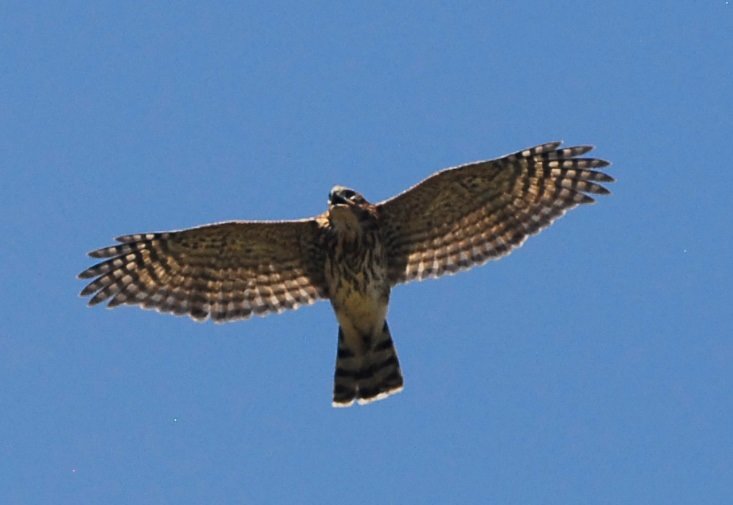
Total Views: 31 County Vector Control warns residents to protect against mosquitoes East County News Service November 13, 2019 (Ramona) – San Diego County environmental health officials announced today that a dead Cooper’s hawk found in Ramona has tested positive for West Nile Virus. It is the second case of West Nile Virus found in birds locally this year; in March another dead Cooper’s hawk found in Lakeside was also found to carry the virus. No locally transmitted cases have been identified yet this year in humans, though two people did test positive for the virus after contracting it in other counties. Symptoms of West Nile can include headache, fever, nausea, skin rash or swollen glands. While most people recover, in about one of every 150 cases, the disease can cause serious illness including brain swelling or even death. County Vector Control officials are warning residents to protect against mosquitoes which also carry the virus and can transmit it to humans or animals through bites. Dump out standing water daily from items such as buckets and plant saucers, to eliminate potential mosquito breeding areas. Mosquito fish are available free to residents with ponds or other standing water sources. Wear long sleeves and pants when outside or insect repellent containing picaridin or oil of lemon eucalyptus. Do not handle dead birds. Instead, report dead birds as well as mosquito activity to Vector Control at 858-694-2888. Find more information at sandiegocounty.gov/content/sdc/fightthebite.html Printer-friendly version
1.4K viewsHAWK IN LAKESIDE TESTS POSITIVE FOR WEST NILE VIRUS 3.8K
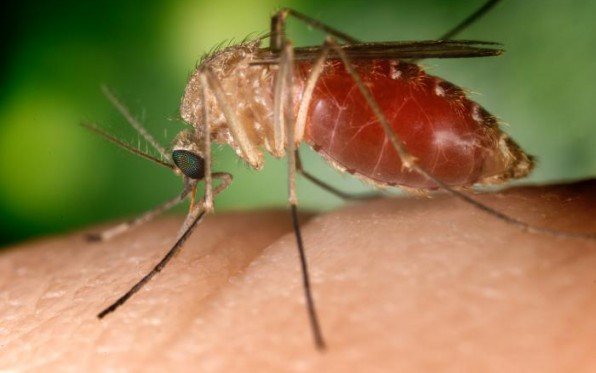
Total Views: 43 By Gig Connaughton, County of San Diego Communications Office March 17, 2019 (Lakeside) – A dead Cooper’s hawk found in Lakeside has tested positive for West Nile virus, making it the first sign this year of the potentially deadly disease in San Diego County. County Vector Control officials said people should remember to follow the County’s “Prevent, Protect, Report” guidelines—particularly to dump out standing water and to wear insect repellent—to protect themselves from mosquitoes that can transmit West Nile virus and other diseases, such as chikungunya, dengue and Zika. Officials said the dead hawk had relatively low levels of West Nile virus in its tissues, suggesting that it was an old infection. However, they said it was a good reminder that West Nile virus, which first arrived in San Diego County in 2003, is established here and that people need to protect themselves from mosquitoes. Last year was a relatively mild one for West Nile virus in San Diego County. One county resident tested positive for the disease and survived. However, as recently as 2015, 44 County residents tested positive and six people died. Across California in 2018, 215 people became infected with West Nile virus and 10 people died. West Nile virus is mainly a bird disease, but it can be transmitted to humans by a number of species of mosquitoes — including Culex mosquitoes native to San Diego and, less effectively, by invasive Aedes aegypti mosquitoes — if they feed off an infected animal, mainly birds, and then bite people. If people who become infected suffer symptoms, they are typically mild, including headache, fever, nausea, fatigue, skin rash or swollen glands. But in rare cases, West Nile virus can make people extremely ill and even kill them. New Mosquito-Borne Illness Worries Protecting against mosquitoes has become even more important for San Diego County residents in recent years. Since 2014, three types of day-biting, invasive Aedes mosquitoes have been found in San Diego County. All of these mosquitoes like to live and breed near people, in yards and even inside homes. All of them can potentially transmit diseases not naturally found here. Two of these species can potentially transmit chikungunya, dengue and Zika — but only if they first bite an infected person. In general, that means local invasive Aedes mosquitoes could only transmit those diseases if they found, and bit, San Diego County residents who got the disease while traveling and returned home still infected. County officials said that people should help fight mosquitoes and potential illnesses by following the “Prevent, Protect, Report” guidelines. Prevent Mosquito Breeding Dump out or remove any item inside or outside of homes that can hold water, such as plant saucers, rain gutters, buckets, garbage cans, toys, old tires, and wheelbarrows. Mosquito fish, available for free by contacting the Vector Control Program, may be used to control mosquito breeding in backyard water sources such as unused swimming pools, ponds, fountains and horse troughs. Protect Yourself From Mosquito Bites Protect yourself from mosquito-borne illnesses by wearing long sleeves and pants or use repellent when outdoors. Use insect repellent that contains DEET, picaridin, oil of lemon eucalyptus, or IR3535. Make sure screens on windows and doors are in good condition and secured to keep insects out. Report Possible Mosquito Activity Report increased mosquito activity, or neglected, green swimming pools and other mosquito-breeding sources, as well as dead birds — dead crows, ravens, jays, hawks and owls — to environmental health’s Vector Control Program by calling (858) 694-2888 or emailing vector@sdcounty.ca.gov. Also report if you are being bitten by mosquitoes during daylight hours, or if you find mosquitoes that match the description of Aedes mosquitoes by contacting the Vector Control Program at (858) 694-2888. Printer-friendly version
3.8K viewsMOSQUITOES INFECTED WITH WEST NILE VIRUS FOUND IN SANTEE 4.9K
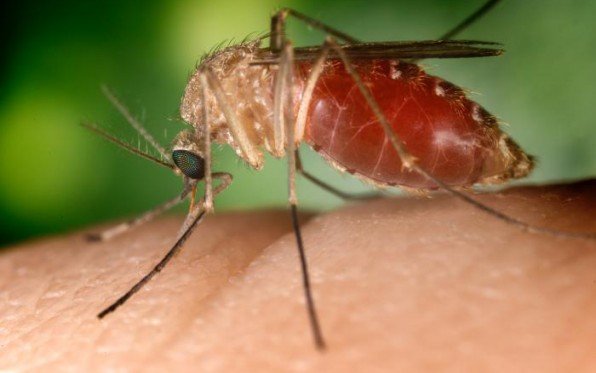
Total Views: 35 By Gig Conaughton, County of San Diego Communications Office July 23, 2018 (Santee) -West Nile virus made its first appearance of the summer in San Diego County this week when a batch of mosquitoes caught in routine trapping in Santee tested positive for the virus. County officials reminded people they should follow the County’s “Prevent, Protect, Report” guidelines to protect themselves from all mosquitoes and the various diseases they can transmit, from West Nile virus to tropical diseases such as chikungunya, dengue and Zika. “One of the most important things people can do is to find and dump out any standing water they see inside and outside their homes so mosquitoes can’t breed,” said Elise Rothschild, the County’s Director of Environmental Health. No people, or birds — the main carriers of West Nile virus — have tested positive for West Nile virus in San Diego County this year. However, County Vector Control officials said West Nile virus has been present in the county since it arrived here in 2003. Only about 20 percent of people who get infected with West Nile virus suffer any symptoms, but it can be deadly in rare cases. Last year, two San Diego County residents tested positive for West Nile virus; both recovered. But across the state of California in 2017, 600 people tested positive and 44 people died. In Los Angeles County alone, 268 people tested positive and 27 people died. West Nile virus is mainly a bird disease, but it can be transmitted to humans by a number of species of mosquitoes — including Culex mosquitoes native to San Diego and, less effectively, invasive Aedes aegypti mosquitoes — if they feed off an infected animal and then bite people. If people who become infected suffer symptoms, they are typically mild, including headache, fever, nausea, fatigue, skin rash or swollen glands. New Mosquito-Borne Illness Worries Protecting against mosquitoes has become even more important for San Diego County residents recently. In the last four years, three types of day-biting, invasive Aedes mosquitoes have been found in San Diego County. All of these mosquitoes like to live and breed near people, in yards and even inside homes. All of them can potentially transmit diseases not naturally found here.Two of these species can potentially transmit chikungunya, dengue and Zika — but only if they first bite an infected person. In general, that means local invasive Aedes mosquitoes could only transmit those diseases if they found, and bit, San Diego County residents who got the disease while traveling and returned home still infected. To date, that has not happened in San Diego County or California and no invasive Aedes mosquitoes have tested positive here or in the state for chikungunya, dengue or Zika. Still, County officials said this week that people should help fight mosquitoes and potential illnesses by following the “Prevent, Protect, Report” guidelines. Prevent mosquito breeding Dump out or remove any item inside or outside of homes that can hold water, such as plant saucers, rain gutters, buckets, garbage cans, toys, old tires, and wheelbarrows. Mosquito fish, available for free by contacting the Vector Control Program, may be used to control mosquito breeding in backyard water sources such as unused swimming pools, ponds, fountains and horse troughs. Protect yourself from mosquito bites Protect yourself from mosquito-borne illnesses by wearing long sleeves and pants or use repellent when outdoors. Use insect repellent that contains DEET, picaridin, oil of lemon eucalyptus, or IR3535. Make sure screens on windows and doors are in good condition and secured to keep insects out. Report possible mosquito activity Report increased mosquito activity, or neglected, green swimming pools and other mosquito-breeding sources, as well as dead birds — dead crows, ravens, jays, hawks and owls — to environmental health’s Vector Control Program by calling (858) 694-2888 or emailing vector@sdcounty.ca.gov. Also report if you are being bitten by mosquitoes during daylight hours, or if you find mosquitoes that match the description of Aedes mosquitoes by contacting the Vector Control Program at (858) 694-2888. For more information about mosquito-borne illnesses, go to San Diego County’s “Fight the Bite” website. Here are some tips to help keep your yard from becoming a mosquito breeding ground. Printer-friendly version
4.9K views