
East County News Service
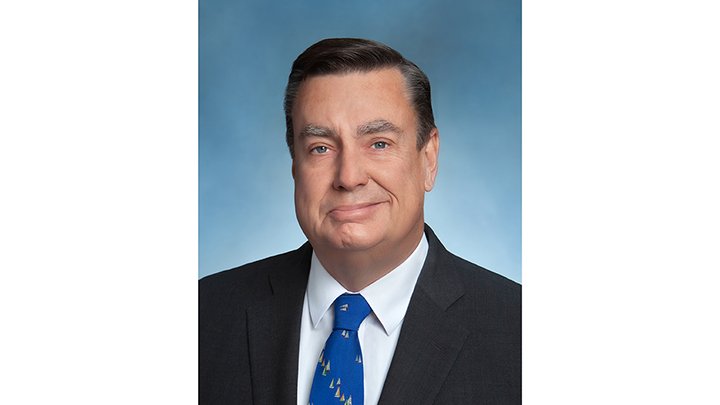
Photo via countynewscenter.com
May 1, 2026 (San Diego) — In a decisive step toward restoring public trust and bringing sunshine to local government, the San Diego County Board of Supervisors has unanimously approved three transparency-focused measures authored by Supervisor Joel Anderson. The package of reforms is designed to ensure the public can see, understand, and participate in how decisions are made at the County.
Taken together, the measures reflect a governing philosophy grounded in a simple idea: public business should be conducted in public view. From how subcommittees operate, to how taxpayer-funded polling is conducted, to how public records are processed and released, the actions establish clearer rules of the road and put transparency at the center of County decision-making.
“It’s the dawn of new transparency at the County,” said Supervisor Anderson. “For too long, important conversations have happened out of public view. These reforms reaffirm that the public deserves a clear window into the Board’s work and not just on the final vote.”
New Guidelines for Ad-Hoc Subcommittees
One of the approved actions establishes, for the first time, a formal framework governing Board-created ad hoc subcommittees, requiring publicly posted agendas, open and accessible meetings, live-streaming and recordings, and the availability of materials, communications, and membership information. These changes ensure residents can follow discussions on major policy and fiscal issues in real time and after the fact, bringing consistency to bodies that have historically operated with fewer clear rules. These changes apply to all committees that are not covered by the Brown Act (California’s open meeting law).
Transparency on County Polling
A second reform brings clarity and accountability to how the County conducts polling using taxpayer contracted resources. It directs the creation of a standardized process to ensure polling is unbiased, legally compliant, and transparent. This would include an independent legal review of polling questions and public disclosure of survey instruments, results, and consultant contracts, reinforcing that public funds must never be used to shape opinion, only to understand it.
Standardizing Public Records Act Request Response Process
Anderson’s third Board Letter focuses on the public’s fundamental right to access government records. By advancing a fully standardized Public Records Act (PRA) process, the County will move toward a more coordinated and efficient system, centralizing intake, tracking, and document compilation while ensuring consistent review and timely responses. The reforms aim to reduce delays, eliminate inconsistencies across departments, and make it easier for residents, businesses, and the media to obtain the information they are entitled to under the law.
“I’d like to thank my colleagues for supporting sunshine and transparency,” Anderson added. “When government operates in the open, it builds confidence, invites participation, and ultimately leads to better decisions.”
With this trio of reforms now approved, San Diego County takes a meaningful step forward – ensuring that transparency is not just an aspiration, but a standard practice embedded in how the public’s business is done.